
Restaurant Interior Design Tips for Creating Inviting Spaces

Designing a restaurant interior is more than just choosing colours and furniture. It is about crafting an atmosphere that complements the cuisine and enhances the dining experience. Every detail, from lighting to layout, plays a role in how guests perceive your space. I will share practical restaurant interior design tips that help you create a welcoming and memorable environment.
Understanding the Importance of Restaurant Interior Design Tips
When you walk into a restaurant, the interior design sets the tone. It influences mood, comfort, and even how long guests stay. A well-designed space encourages diners to relax and enjoy their meal, which can increase customer satisfaction and repeat visits.
To start, consider the style and theme of your restaurant. Are you aiming for a modern, minimalist look or a cosy, rustic feel? Your design choices should reflect this vision consistently. For example, a seafood restaurant might use cool blues and natural textures to evoke the ocean, while a steakhouse might opt for warm woods and leather seating.
Key elements to focus on include:
Lighting: Use a mix of ambient, task, and accent lighting to create layers and highlight key areas.
Seating arrangement: Ensure comfort and privacy without overcrowding.
Materials and finishes: Choose durable, easy-to-clean surfaces that also fit your aesthetic.
Colour palette: Select colours that complement your brand and cuisine style.
These foundational tips help you build a cohesive and functional design.
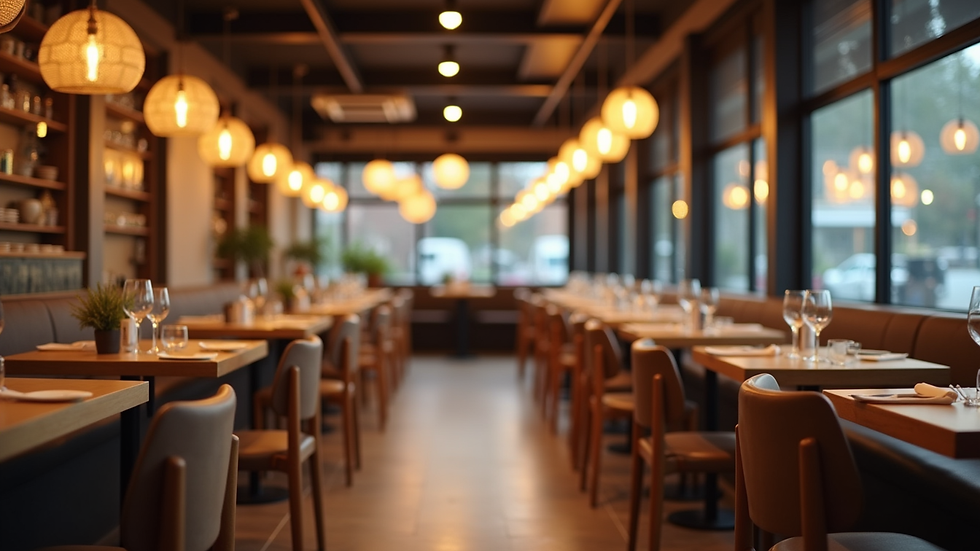
Practical Restaurant Interior Design Tips for Layout and Flow
The layout of your restaurant affects both staff efficiency and guest comfort. A well-planned floor plan allows smooth movement for servers and creates a pleasant dining experience for customers.
Start by mapping out zones:
Entrance and waiting area: This should be welcoming and spacious enough for guests to wait comfortably.
Dining area: Arrange tables to maximise seating without feeling cramped. Consider different table sizes to accommodate various group sizes.
Bar or lounge: If applicable, design this space to encourage socialising and relaxation.
Kitchen and service areas: These should be easily accessible but discreet from diners’ view.
Use clear pathways to avoid congestion. For example, keep aisles at least 1.2 metres wide to allow servers to move freely. Position tables so guests do not feel overlooked or crowded by passing staff.
Incorporate flexible seating options like booths, banquettes, and movable chairs to adapt to different needs. This flexibility can improve turnover and guest satisfaction.
Choosing the Right Lighting and Ambience
Lighting is one of the most powerful tools in restaurant design. It affects mood, visibility, and even how food looks on the plate. The goal is to create a comfortable atmosphere that complements your restaurant’s style.
Use warm white lights (2700K to 3000K) to create a cosy and inviting environment. Avoid harsh fluorescent lighting, which can feel cold and unwelcoming.
Consider these lighting layers:
Ambient lighting: General illumination that sets the overall mood.
Task lighting: Focused lights for specific areas like the bar or kitchen pass.
Accent lighting: Highlights artwork, architectural features, or plants.
Dimmers are essential to adjust lighting levels throughout the day and evening. For example, brighter light during lunch and softer, intimate lighting for dinner service.
Decorative fixtures such as pendant lamps or chandeliers can also serve as focal points and reinforce your design theme.

Selecting Furniture and Materials for Comfort and Style
Furniture choice impacts both aesthetics and functionality. Comfortable seating encourages guests to linger, while durable materials ensure longevity and ease of maintenance.
Opt for chairs and booths with ergonomic design and quality upholstery. Leather or faux leather is popular for its durability and easy cleaning, but fabric can add warmth and texture.
Tables should be sturdy and sized appropriately for the space. Consider materials like solid wood, metal, or stone that align with your design concept.
Flooring is another important consideration. Hard surfaces like wood or polished concrete are practical and stylish but add rugs or mats in high-traffic areas to reduce noise and increase comfort.
Remember to balance style with practicality. For example, a minimalist design with sleek metal chairs might look great but could feel uncomfortable for long meals. Test furniture options before committing.
Incorporating Unique Design Elements and Branding
Your restaurant’s interior should tell a story and reflect your brand identity. Unique design elements create memorable experiences and set you apart from competitors.
Consider integrating local art, custom murals, or bespoke furniture pieces that resonate with your concept. Plants and greenery can add freshness and improve air quality.
Use colour and texture to reinforce your brand. For example, a Mediterranean restaurant might use terracotta tiles and vibrant blues, while a modern bistro could feature monochrome tones with metallic accents.
Don’t forget signage and menus as part of the design. They should be visually consistent with the interior style.
If you want to explore more about interior design for restaurants, this resource offers excellent insights into creating spaces that balance aesthetics and functionality.
Final Thoughts on Crafting Your Restaurant’s Interior
Designing a restaurant interior is a rewarding challenge that combines creativity with practical needs. By focusing on layout, lighting, furniture, and unique touches, you can create a space that delights guests and supports your business goals.
Take time to plan carefully and consider how each element contributes to the overall experience. Remember, a well-designed restaurant is not just beautiful - it is inviting, comfortable, and efficient.
If you are ready to transform your space, start by sketching your ideas and consulting with professionals who understand the nuances of restaurant design. Your guests will appreciate the thoughtful environment, and your restaurant will stand out as a destination worth returning to.


Comments