
London Home Interior Design: Creating Bespoke Living Spaces

When it comes to transforming a house into a home, interior design plays a crucial role. In London, where architectural styles range from classic Georgian terraces to sleek modern apartments, the challenge is to create interiors that reflect personal taste while complementing the unique character of each property. I have found that thoughtful design can elevate everyday living, making spaces both beautiful and functional.
Understanding London Home Interior Design
London home interior design requires a balance between tradition and innovation. Many homes in the city come with historical features such as high ceilings, sash windows, and intricate mouldings. Preserving these elements while introducing contemporary touches is key to achieving a timeless look.
For example, in a Victorian townhouse, I often recommend keeping original fireplaces and cornices but pairing them with modern furniture and lighting. This contrast creates a dynamic yet harmonious environment. In contrast, a new-build flat in Canary Wharf might benefit from minimalist design, clean lines, and smart storage solutions to maximise space.
Key considerations include:
Space optimisation: London homes can be compact, so clever storage and multifunctional furniture are essential.
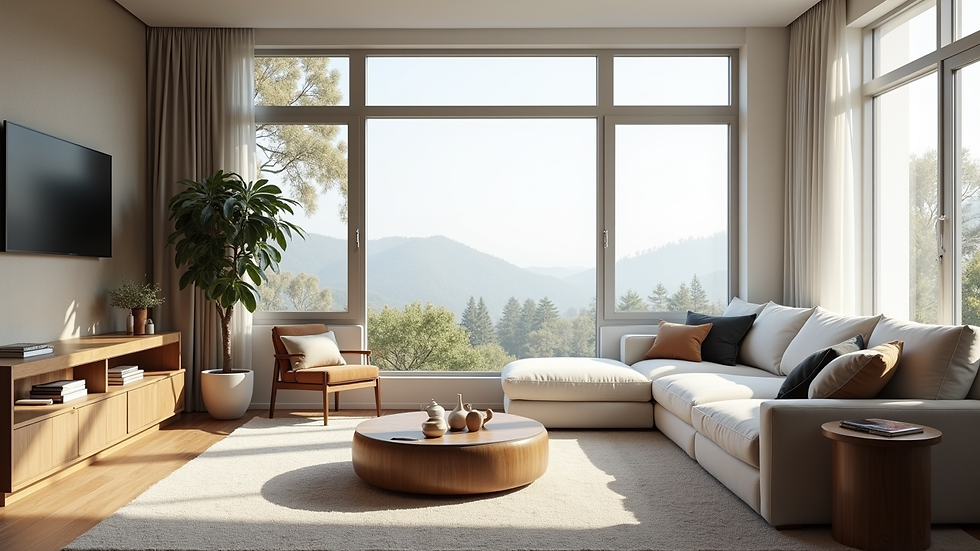
Natural light: Maximising daylight enhances mood and makes rooms feel larger.
Material choice: Combining natural materials like wood and stone with soft textiles adds warmth.
Colour palette: Neutral tones with occasional bold accents work well in diverse settings.
Practical Tips for Bespoke Interior Design in London
Creating a bespoke interior means tailoring every detail to your lifestyle and preferences. Here are some practical tips I use to guide the process:
Start with a clear brief: Define your needs, style preferences, and budget. This helps avoid costly changes later.
Focus on flow: Arrange furniture to encourage easy movement and social interaction.
Invest in quality lighting: Layer ambient, task, and accent lighting to create atmosphere and functionality.
Incorporate personal touches: Artworks, heirlooms, and custom pieces make a space uniquely yours.
Think about sustainability: Choose eco-friendly materials and energy-efficient appliances.
For instance, in a Kensington flat, I worked with a client who loved mid-century modern design. We sourced vintage furniture and combined it with bespoke cabinetry to fit the room perfectly. The result was a stylish yet practical home that reflected their personality.
The Role of Colour and Texture in London Interiors
Colour and texture are powerful tools in interior design. They influence mood, perception of space, and overall aesthetic. In London homes, where natural light can vary greatly depending on location and orientation, choosing the right colours is vital.
Light colours such as soft greys, creams, and pastels can brighten darker rooms. Meanwhile, deeper hues like navy or forest green add drama and sophistication when balanced with lighter elements. Texture adds depth and interest—think velvet cushions, wool rugs, or exposed brick walls.
I often recommend clients experiment with different textures to create a tactile experience. For example, pairing a smooth leather sofa with a chunky knit throw and a jute rug can make a living room feel inviting and layered.

Incorporating Feng Shui Principles in Interior Design
An emerging trend in London home interior design is the integration of Feng Shui principles. This ancient Chinese practice focuses on harmonising energy flow within a space to promote wellbeing and balance.
Applying Feng Shui involves careful placement of furniture, use of colours, and selection of materials to create a positive environment. For example, positioning the bed so it faces the door but is not directly in line with it can improve restfulness. Using natural elements like plants and water features can enhance vitality.
I have seen how incorporating Feng Shui can transform a home’s atmosphere. It encourages mindfulness in design choices and fosters a sense of calm and order. If you are interested in this approach, consider consulting a specialist who can tailor recommendations to your property.
Bringing It All Together: Your London Home Interior Design Journey
Designing your home is a journey that requires patience, creativity, and collaboration. Whether you live in a historic flat in Notting Hill or a contemporary apartment in Shoreditch, the goal is to create a space that feels comfortable, functional, and reflective of your style.
I encourage you to explore different ideas, gather inspiration, and work with professionals who understand the nuances of London properties. Remember, bespoke design is about more than aesthetics—it’s about enhancing your daily life.
If you want to explore options and get expert advice, consider reaching out to a studio specialising in residential interior design london. They can guide you through every step, from initial concept to final installation.
Your home deserves thoughtful design that stands the test of time. Start your transformation today and enjoy the benefits of a beautifully crafted living space.


Comments