
Lighting: The Unsung Hero of Interior Design - Interior Lighting Tips

When we think about interior design, our minds often jump to furniture, colour schemes, or decorative accessories. Yet, one element quietly shapes the entire atmosphere of a space: lighting. It is the unsung hero that can transform a room from dull to dazzling, from cramped to spacious, or from cold to inviting. I want to share how thoughtful lighting can elevate your home, especially if you are seeking bespoke interior design in London and the South East.
Why Interior Lighting Tips Matter
Lighting is more than just a functional necessity. It influences mood, highlights architectural features, and even affects how we perceive colour and texture. Poor lighting can make even the most beautiful interiors feel lifeless. Conversely, well-planned lighting can enhance every detail and create a harmonious environment.
Here are some essential interior lighting tips to consider:
Layer your lighting: Combine ambient, task, and accent lighting to create depth and flexibility.
Choose the right colour temperature: Warm lights (2700K-3000K) create cosy atmospheres, while cooler lights (3500K-4100K) are better for workspaces.
Use dimmers: They allow you to adjust brightness according to time of day or activity.
Consider natural light: Maximise daylight with window treatments that allow light in but reduce glare.
Highlight focal points: Use spotlights or wall washers to draw attention to artwork, architectural details, or statement furniture.
By applying these tips, you can craft interiors that feel balanced and inviting, tailored to your lifestyle and preferences.

Practical Interior Lighting Tips for Every Room
Each room in your home has unique lighting needs. Here’s how to approach them effectively:
Living Room
The living room is a social hub, so lighting should be versatile. Start with ambient lighting from ceiling fixtures or recessed lights. Add task lighting near reading chairs or sofas with floor lamps or table lamps. Accent lighting can highlight artwork or architectural features.
Tip: Use warm white bulbs to create a welcoming atmosphere. Consider installing dimmers to switch from bright social settings to cosy evenings.
Kitchen
Kitchens require bright, clear lighting for safety and functionality. Use bright overhead lights combined with under-cabinet lighting to illuminate work surfaces. Pendant lights over islands or breakfast bars add style and focused light.
Tip: Choose cool white bulbs for clarity and energy efficiency. Avoid shadows on worktops by placing lights strategically.
Bedroom
Bedrooms benefit from soft, relaxing lighting. Use ambient lighting combined with bedside lamps for reading. Consider wall sconces or pendant lights to free up bedside table space.
Tip: Opt for warm light bulbs and dimmers to create a soothing environment that promotes restful sleep.
Bathroom
Bathrooms need bright, shadow-free lighting for grooming tasks. Use vanity lights on either side of mirrors and overhead lights for general illumination.
Tip: Select bulbs with high colour rendering index (CRI) to show true colours, especially for makeup application.
Hallways and Corridors
These transitional spaces often get overlooked but good lighting can make them feel spacious and safe. Use wall-mounted fixtures or recessed lights spaced evenly.
Tip: Consider motion sensors for convenience and energy savings.
The Role of Lighting in Interior Design
Lighting is a powerful design tool that goes beyond illumination. It shapes how we experience space and interacts with other design elements. For example, a well-lit room can make colours appear more vibrant and textures more tactile. Shadows and highlights add drama and interest.
In my experience, integrating lighting in interior design is essential for creating bespoke interiors that feel both functional and beautiful. Whether it’s a luxury home or a modest space, lighting can elevate the design to a new level.
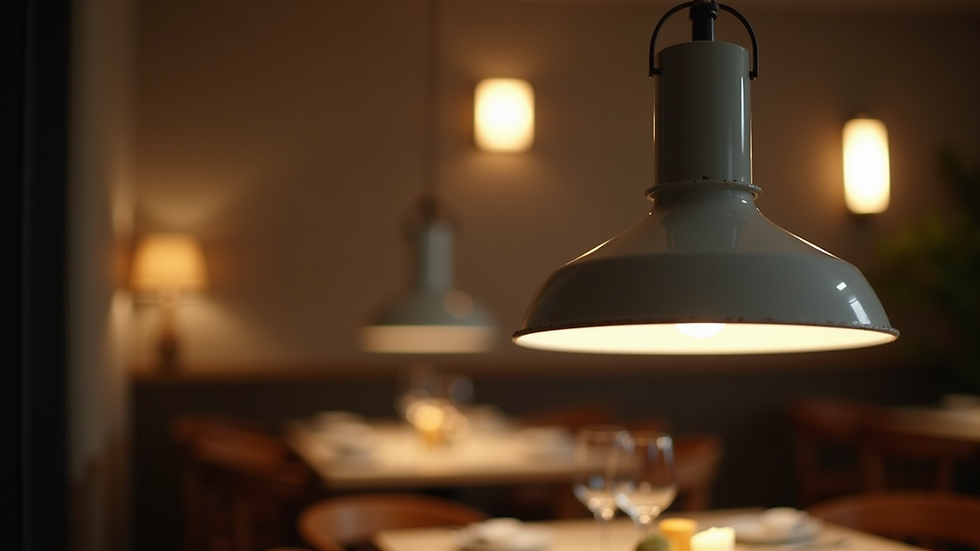
Choosing the Right Fixtures and Bulbs
Selecting the right fixtures and bulbs is crucial. Fixtures should complement your interior style, whether modern, traditional, or eclectic. Bulbs affect not only brightness but also colour temperature and energy consumption.
LED bulbs: Energy-efficient, long-lasting, and available in various colour temperatures.
Halogen bulbs: Bright and crisp but less energy-efficient.
Incandescent bulbs: Warm light but being phased out due to inefficiency.
Fixtures come in many forms:
Chandeliers: Statement pieces for dining rooms or foyers.
Recessed lights: Minimalist and versatile for ambient lighting.
Wall sconces: Great for accent lighting and adding character.
Pendant lights: Perfect for task lighting over kitchen islands or dining tables.
When choosing fixtures, consider scale and placement carefully. Oversized fixtures can overwhelm small rooms, while too-small lights may not provide enough illumination.
How to Use Lighting to Enhance Feng Shui
Incorporating Feng Shui principles into lighting can bring harmony and positive energy to your home. Light represents the fire element, which is vital for balance.
Use soft, warm lighting to create a welcoming and nurturing atmosphere.
Avoid harsh, glaring lights that can cause discomfort.
Place lights strategically to brighten dark corners and promote energy flow.
Use candles or lamps with natural materials to enhance grounding.
By blending Feng Shui with modern lighting techniques, you can create interiors that feel both beautiful and energetically balanced.
Final Thoughts on Lighting and Interior Design
Lighting is often underestimated, yet it is fundamental to successful interior design. It influences mood, functionality, and aesthetics in every room. By applying thoughtful interior lighting tips, choosing the right fixtures and bulbs, and considering natural light and Feng Shui, you can transform your home into a bespoke sanctuary.
If you want to explore how lighting can elevate your interiors, take time to plan your lighting scheme carefully. Experiment with layers, colours, and placements. Remember, the right lighting makes all the difference.
Start your lighting journey today and see how this unsung hero can bring your home to life.


Comments