
Feng Shui Lighting Tips for a Harmonious Contemporary Home

Light changes a room before furniture, colour, or decor get a chance to speak. A bright kitchen can feel lively and generous. A dim hallway can feel flat and forgotten. A bedroom with harsh overhead glare can look stylish in photos yet feel unsettled at night.
In feng shui, light is closely linked with chi, the life energy that moves through a home. Good lighting helps that energy circulate, soften, gather, and rest in the right places. In contemporary homes, where open-plan layouts, large windows, sleek finishes, and recessed downlights are common, feng shui gives lighting a more human purpose. It asks a simple question: does this light help the room feel balanced?
The best results come from mixing practical design with subtle sensory choices. That means choosing the right fittings, placing them with care, using daylight well, and paying close attention to colour temperature and brightness.

Light is one of the easiest ways to guide energy
Feng shui often focuses on placement: the bed, the sofa, the front door, the desk. Lighting deserves the same attention because it changes how energy moves through each zone.
Think of light as a cue. It tells the body and mind what a space is for.
Bright, clear light supports activity, conversation, cooking, and movement.
Soft, warm light supports rest, affection, and reflection.
Gentle accent light draws attention to objects, corners, and features that might otherwise feel stagnant.
Excessive glare can make a room feel sharp or restless.
Deep shadows can make spaces feel heavy or neglected.
Contemporary interiors sometimes lean too hard on overhead lighting. Rows of ceiling downlights can make a home look clean, but they often flatten the mood. From a feng shui point of view, this can create an uneven flow: too much energy from above, not enough warmth at eye level, and dark pockets where chi feels stuck.
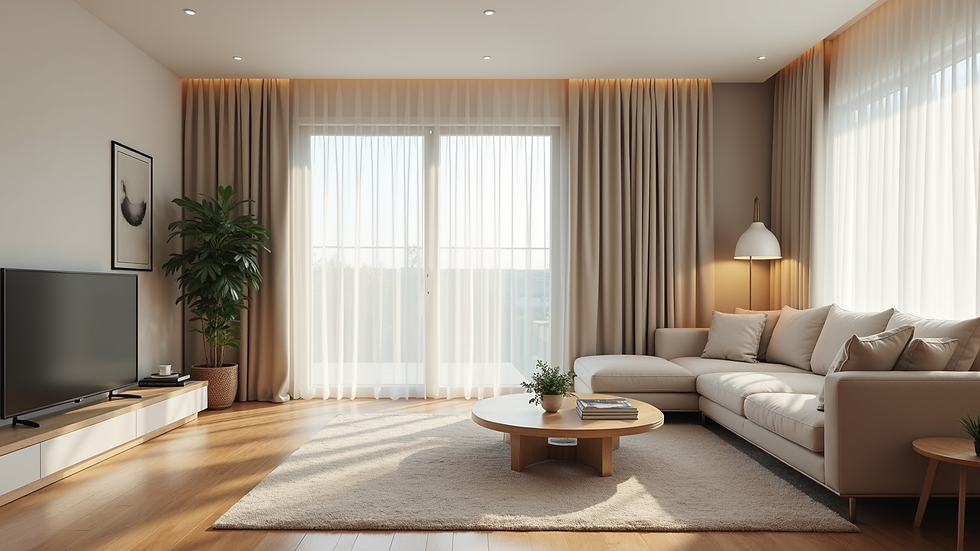
A harmonious room usually has layers of light. This means using more than one source so the room can shift through the day. A living room, for example, might use ceiling lights for cleaning, a floor lamp beside the sofa, a shaded table lamp near a reading chair, and a small picture light or wall washer to lift a darker corner.
The aim is not to make every space bright. The aim is to make every space feel alive in the right way.
Choose light fixtures that support balance
Light fittings are not only decorative objects. In feng shui, their shape, material, scale, and direction all affect the feeling of a room.
A large pendant can anchor a dining table. A pair of bedside lamps can create equality and calm. A sculptural floor lamp can soften an empty corner. The fitting should feel suitable for the role it plays rather than chosen only because it looks impressive.
Match the fixture shape to the mood of the room
Rounded and curved forms tend to feel softer. They work well in bedrooms, lounges, nurseries, and spaces where relaxation matters. Globe lamps, fabric shades, paper lanterns, and oval pendants can help reduce sharpness in a room with lots of hard lines.
Angular fittings can feel more active and focused. They suit kitchens, studies, utility rooms, and areas where precision is useful. A slim linear pendant over a kitchen island, for instance, can support clarity and task-focused energy.
Contemporary homes often include straight edges, glass, steel, and stone. If the architecture already feels crisp, lighting is a good place to add warmth. A warm metal finish, frosted glass shade, ceramic base, or woven pendant can stop the room feeling cold.
Use proportion to avoid visual pressure
A fixture that is too small can feel weak and temporary. One that is too large can dominate the room and pull attention out of balance.
In a feng shui-minded home, scale should feel settled. A dining pendant should sit comfortably over the table rather than loom over diners. A bedroom light should not feel like it is pressing down on the bed. A hallway fitting should guide people forward without making the ceiling feel low.
A useful test is to stand at the entrance of the room and notice where the eye goes first. If the fitting supports the room, it will draw the eye gently. If it overwhelms the space, the eye will lock onto it and stay there.
Favour diffused light where people rest
Exposed bulbs can look stylish, but they often create glare. In feng shui, glare can feel like aggressive energy. It is especially disruptive in bedrooms, dining areas, and living rooms.
Choose shades, opal glass, fabric diffusers, or indirect lighting when comfort matters. This softens the beam and spreads light more evenly. The room still feels bright enough, but less harsh.
Position lights to encourage smooth movement
Good feng shui pays close attention to pathways. Chi should move through a home with ease, much like a person walking through it. Lighting can either support that movement or interrupt it.
A well-placed light says, “come this way”. A poorly placed light creates glare, awkward shadows, or a sense of imbalance.
Light the entrance with care
The entrance is known as the “mouth of chi” in feng shui, because it is where energy enters the home. A dark or cluttered entrance can make the whole property feel less inviting.
The front door area should feel clear, warm, and easy to navigate. This might mean:
A soft ceiling light or pendant in the hall.
A wall light near the doorway.
A table lamp on a console if space allows.
Outdoor lighting that makes the threshold feel safe and welcoming.
Avoid very harsh white light at the entrance. It can feel clinical rather than inviting. A warm, steady glow works better, especially in the darker months across the UK.
Balance both sides of key furniture
Symmetry is not compulsory in feng shui, but balance matters. In bedrooms, a pair of bedside lamps can support a feeling of equality and stability. They do not have to match exactly, although they should feel similar in height and strength.
In a living room, place light on both sides of the seating area if possible. One floor lamp and one table lamp can work well. This prevents one side of the room from feeling heavy and the other neglected.
For a desk, avoid sitting with a bright light directly behind you, as this can throw shadows over your work. A task lamp placed to the side is usually better. If you write by hand, place the lamp on the opposite side to your writing hand to reduce shadow.
Lift dark corners without overfilling them
Dark corners can make a room feel static. A small lamp, uplighter, plant light, or wall sconce can revive these areas without adding clutter.
This is especially helpful in open-plan spaces where one corner gets plenty of daylight and another sits in shade. Lighting the darker area helps energy feel more evenly distributed.
Do not flood every corner with bright light. A gentle lift is enough. Feng shui is about flow, not force.

Use natural light as the foundation
Natural light is one of the most powerful lighting tools in feng shui because it feels alive. It changes through the day, connects the home to the outdoors, and supports a healthy rhythm of activity and rest.
A contemporary home with large windows may already have plenty of daylight, but more light is not always better. The goal is to welcome daylight without letting it overwhelm the space.
Keep windows clear but not bare
Windows connect the interior with the outside world. If they are blocked by clutter, heavy furniture, or tired window treatments, the room can feel closed off.
Clear window ledges where possible. Let glass stay clean. Place large furniture so it does not cut across the main flow of light. If privacy matters, sheer curtains, linen voiles, or light-filtering blinds can soften the boundary without shutting the room down.
Bare windows can work in some modern interiors, but they may feel exposed at night. In feng shui, a room should offer both openness and protection. Layered window coverings are useful because they allow adjustment. Sheers can diffuse daytime glare, while curtains or blinds provide enclosure after dark.
Use mirrors with intention
Mirrors can reflect natural light deeper into a room, but they need careful placement. A mirror opposite a window can brighten a space, yet it may also reflect glare or create a restless feeling if the view is busy.
Place mirrors where they reflect something pleasant: a tree, soft daylight, artwork, or a calm section of the room. Avoid positioning mirrors where they reflect clutter, harsh light, or the bed in a way that feels unsettling.
Let daylight guide the room’s purpose
Notice how sunlight moves across the home. Morning light suits breakfast areas, kitchens, and places where the day begins. Afternoon light can make a reading chair or dining area feel generous. North-facing rooms in the UK often need more warmth from artificial light, while south-facing rooms may need softening during bright periods.
Rather than fighting the natural pattern, work with it. Put active uses where light feels energising. Put restful uses where light feels softer and more stable.
Choose the right colour temperature for each room
Colour temperature describes how warm or cool a light appears. It is measured in Kelvin, often written as K on bulb packaging. This detail has a big effect on the mood of a room.
Warm light feels golden and cosy. Cool light feels crisp and bright. Neutral light sits between the two.
Colour temperature | Best used for | Feng shui effect |
2,200K to 2,700K | Bedrooms, living rooms, dining areas, evening lamps | Softens energy and supports rest |
3,000K | Kitchens, hallways, bathrooms, general home lighting | Feels warm but clear |
3,500K to 4,000K | Home study areas, utility rooms, task lighting | Supports focus and practical activity |
Above 4,000K | Garages, workshops, very task-heavy areas | Can feel too sharp for relaxing spaces |
For most contemporary homes, warmer bulbs are kinder in spaces where people gather and unwind. Very cool white light can make a room feel stark, especially when paired with white walls, polished stone, chrome, or grey flooring.
That does not mean every bulb should be warm. A kitchen needs clear task light. A bathroom mirror needs enough brightness for grooming. A study may benefit from a more neutral lamp during the day. The key is to match the temperature to the function and the feeling you want to encourage.
A simple rule works well: use warmer light lower in the room and in the evening, and clearer light where tasks require accuracy.
Get brightness right instead of simply adding more light
Brightness affects the strength of the energy in a room. Too little light can feel dull and draining. Too much can feel tense. Feng shui encourages a middle path, with the ability to adjust.
Dimmers are one of the most useful additions to a contemporary home. They let a kitchen shift from bright food preparation to a softer evening setting. They help a living room move from social time to quiet time. They also reduce the need for separate fittings in every situation.
Layered brightness works better than one powerful ceiling light. Try thinking in three levels:
Ambient light The general glow that lets the room function.
Task light Focused light for reading, cooking, dressing, or working.
Accent light Gentle light that highlights art, plants, texture, or architectural details.
When these layers work together, the room feels flexible and balanced. You can brighten energy when needed and calm it when the day winds down.
Bulb brightness is often shown in lumens. Rather than chasing the highest number, consider where the bulb sits. A bright bulb behind a shade may feel soft. The same bulb exposed above eye level may feel harsh. Direction, shade, surface colour, and room size all change the result.
Apply feng shui lighting room by room?
Every room has a different role, so each needs a slightly different lighting plan. Ask me how or join the Interior Design Feng Shui Course to find out even more


Comments